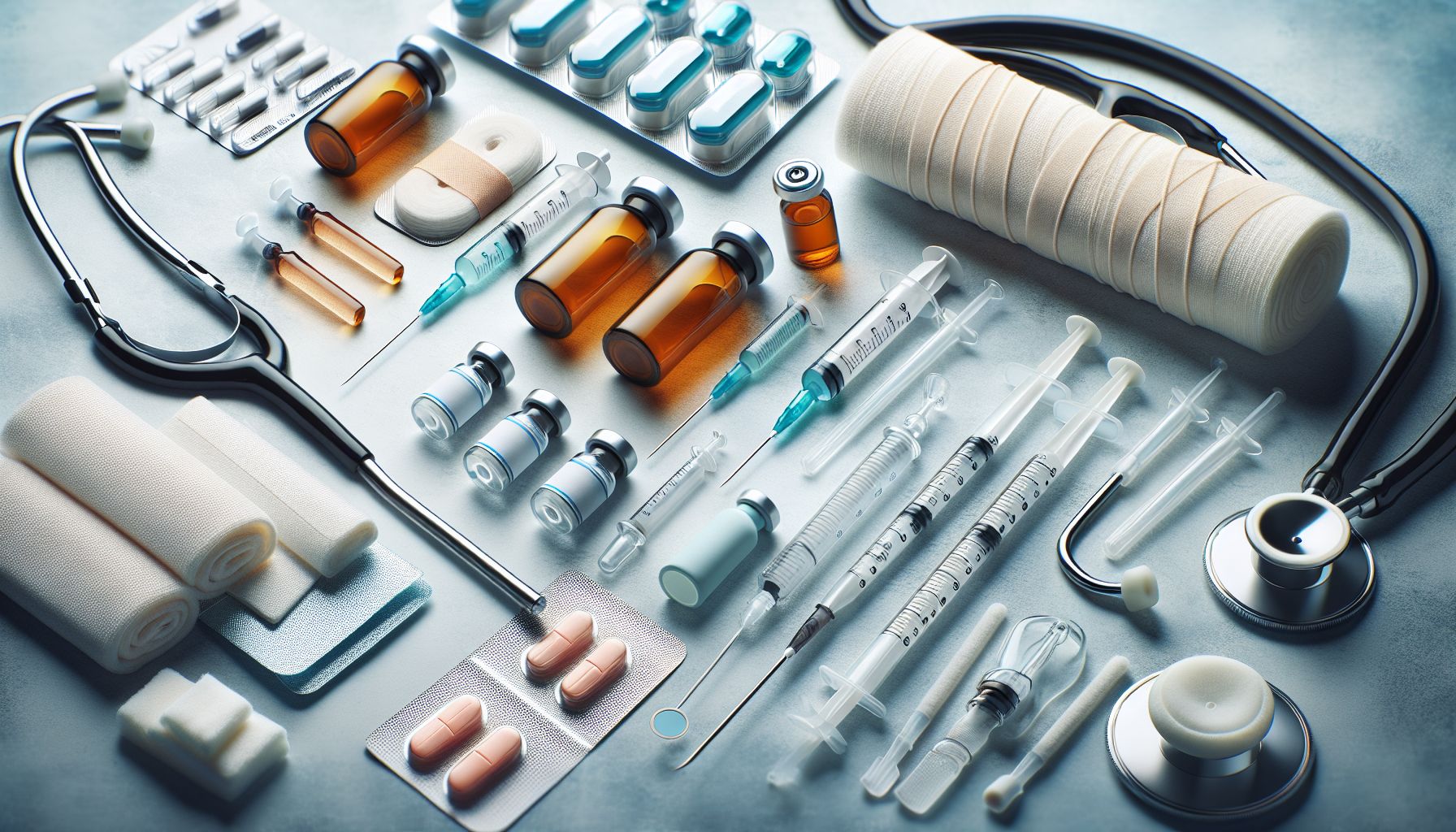
What Are Medical Supplies?
Medical supplies are essential items used in healthcare settings to assist in patient care, diagnosis, and treatment. They encompass a wide range of products, from simple bandages and syringes to complex diagnostic machines and surgical instruments. These supplies play a crucial role in ensuring the efficiency and effectiveness of healthcare delivery.
Types of Medical Supplies
Medical supplies can be broadly categorized into several types:
1. Consumables: These include items like bandages, gloves, syringes, and gauze. They are typically single-use and need regular replenishment.
2. Durable Medical Equipment (DME): These are long-term use items such as wheelchairs, hospital beds, and ventilators.
3. Diagnostic Supplies: Includes tools used for diagnostics like blood glucose monitors, stethoscopes, and thermometers.
4. Surgical Instruments: Specialized tools used during surgical procedures, including scalpels, forceps, and clamps.
How to Use Medical Supplies Safely
Using medical supplies correctly is vital to ensure patient safety and the effectiveness of treatment. Here are some general guidelines:
– Follow Instructions: Always read and follow the instructions provided with the medical supply.
– Hygiene: Maintain a clean and sterile environment to prevent infections.
– Training: Ensure that all individuals using medical supplies are adequately trained.
– Regular Maintenance: For durable equipment, regular maintenance and checks are required.
Mechanism of Action and Indications
Different medical supplies serve different purposes, and understanding their mechanism of action is crucial for their effective use.
– Bandages and Dressings: Used to cover wounds, they work by protecting the wound from infection and absorbing exudates. They are indicated for cuts, abrasions, and post-surgical care.
– Syringes and Needles: Essential for administering injections or drawing blood. Indicated for vaccinations, insulin administration, and blood tests.
– Diagnostic Equipment: Such as blood pressure monitors and thermometers, are used to monitor vital signs. Indicated for routine health checks and monitoring chronic conditions.
Possible Side Effects and Precautions
While medical supplies are generally safe, improper use can lead to complications:
– Bandages: If too tight, can restrict blood flow.
– Syringes: Risk of infection if reused or not sterilized properly.
– Diagnostic Equipment: Inaccurate readings can occur if not calibrated correctly.
Expert Opinions
Dr. Sarah Thompson, a leading physician, emphasizes, “Medical supplies are the backbone of modern healthcare. Proper education on their use is essential to maximize patient outcomes and ensure safety.”
John Miller, a pharmacist, adds, “Always check expiration dates on consumables and ensure that durable equipment is serviced regularly to maintain functionality.”
Recommendations for Use and Dosages
While medical supplies like bandages don’t require dosages, items like syringes used for medication administration do. Always adhere to the prescribed dosages provided by healthcare professionals. For equipment like blood glucose monitors, follow the guidelines provided by your doctor regarding frequency and method of use.
Where to Buy Quality Medical Supplies
For those looking to purchase medical supplies, it is crucial to buy from reputable sources to ensure quality and safety. We recommend purchasing through our trusted site: Explore Our Medical Supplies.
Conclusion
Medical supplies are indispensable in any healthcare setting, and understanding their proper use, maintenance, and the potential risks involved is crucial for both healthcare providers and patients. By staying informed and following best practices, you can ensure that these supplies are used to their full potential, promoting better health outcomes.
Remember, always consult with healthcare professionals if you have any doubts or questions about the use of specific medical supplies. For more information, reliable resources include the Mayo Clinic and the World Health Organization.